Story Vines
Paper Bag Princess
Retelling:
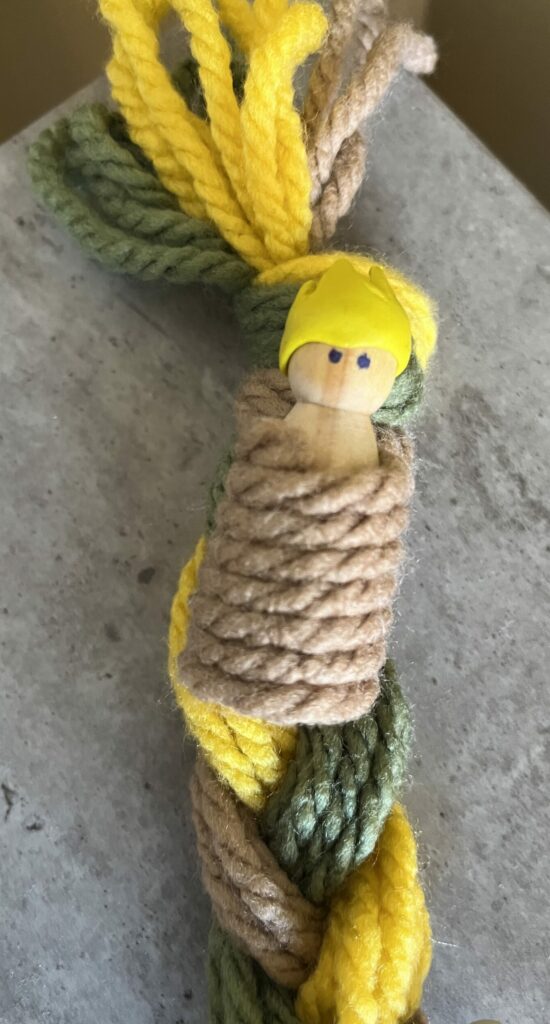
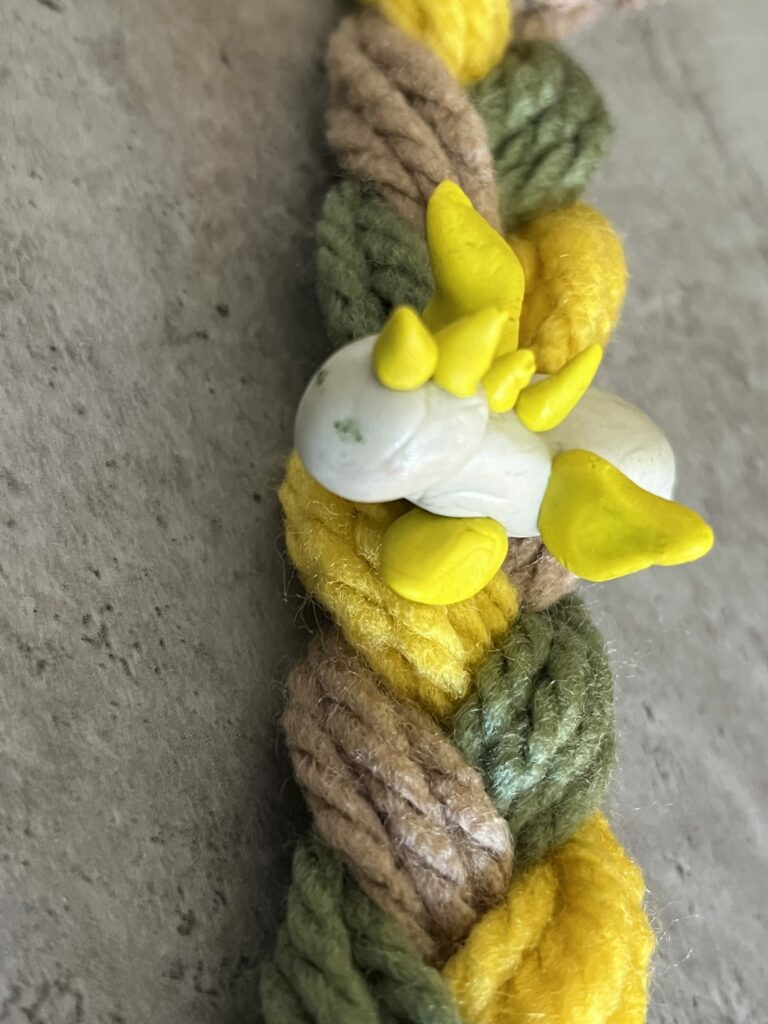
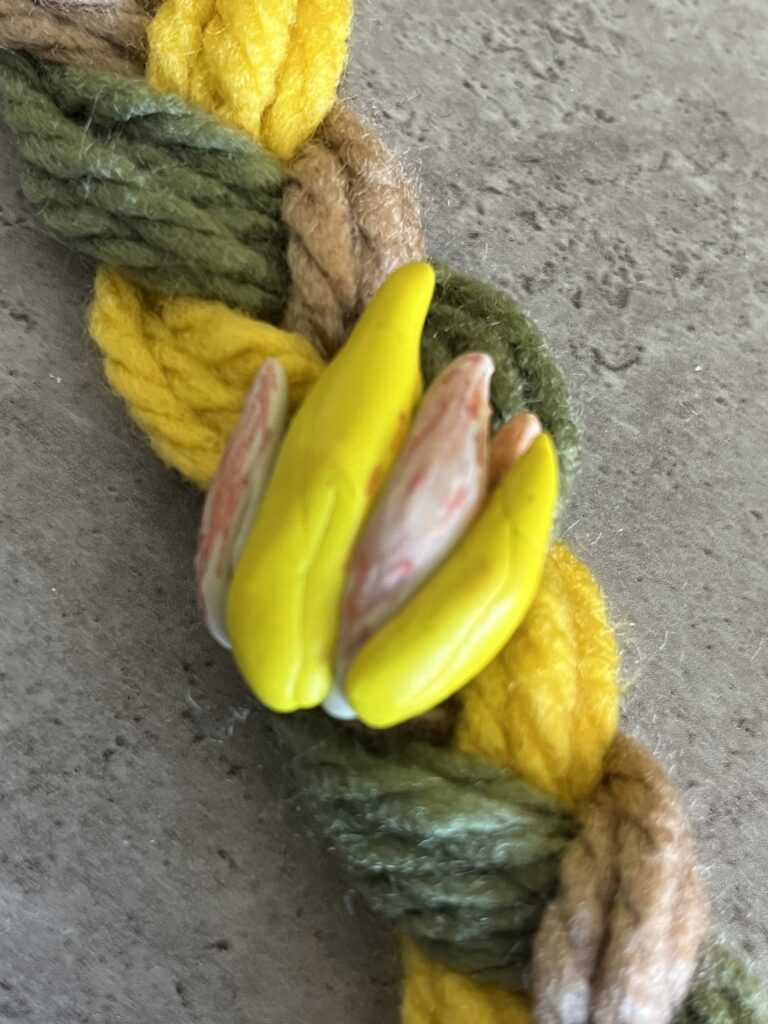
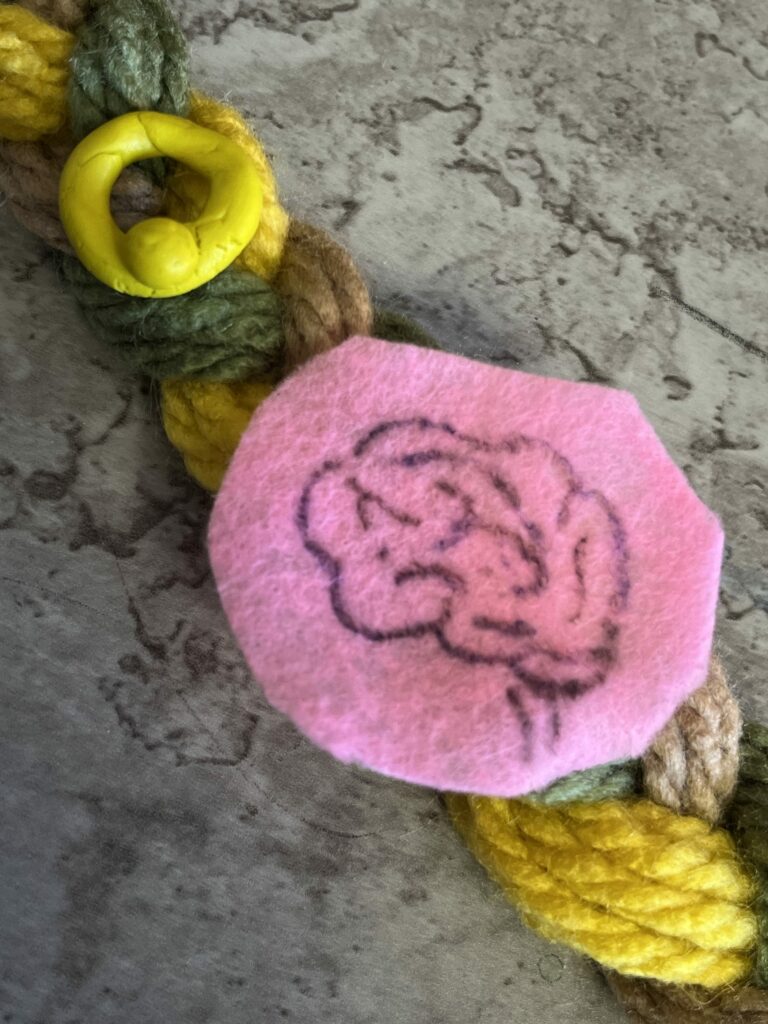
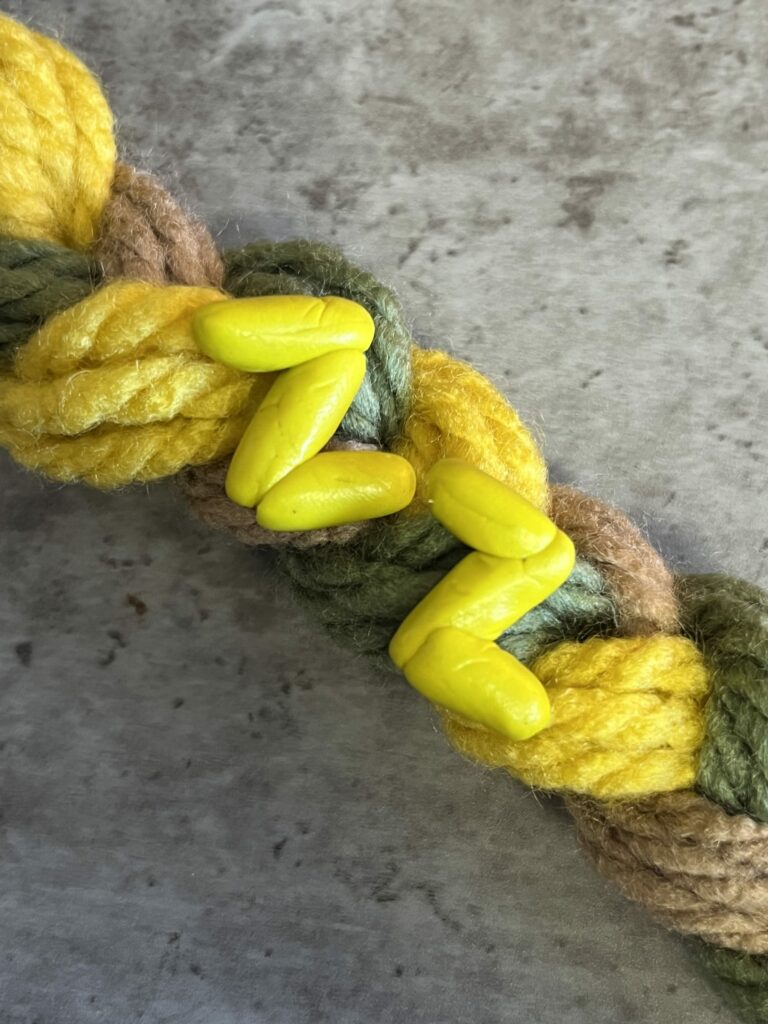
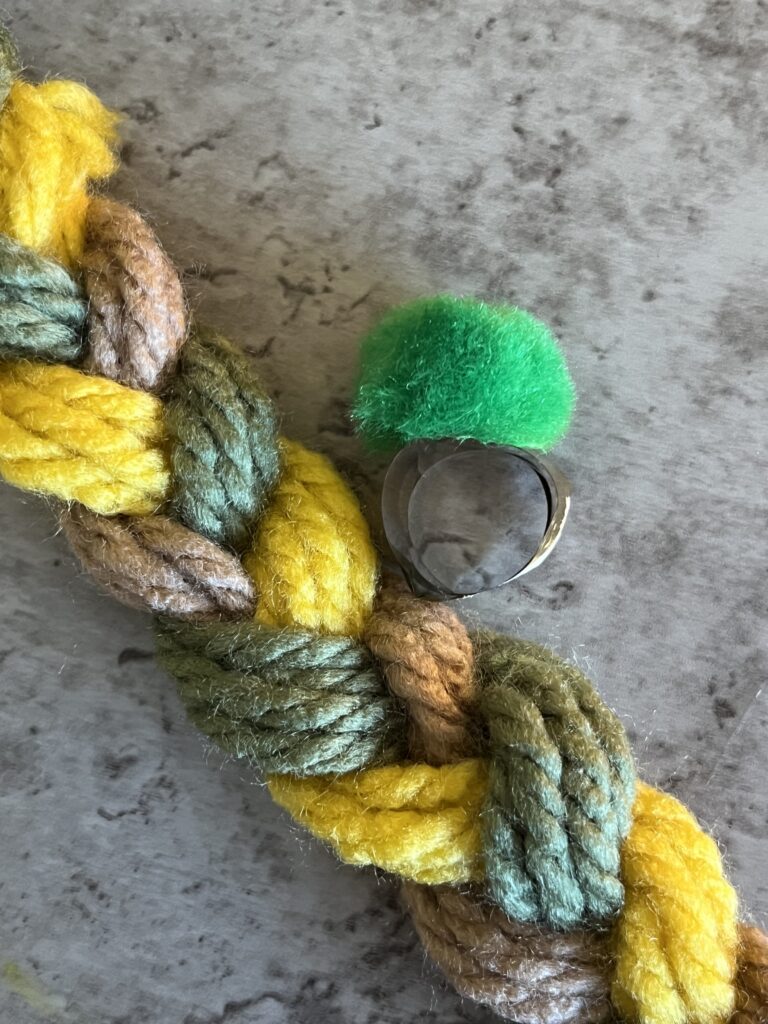
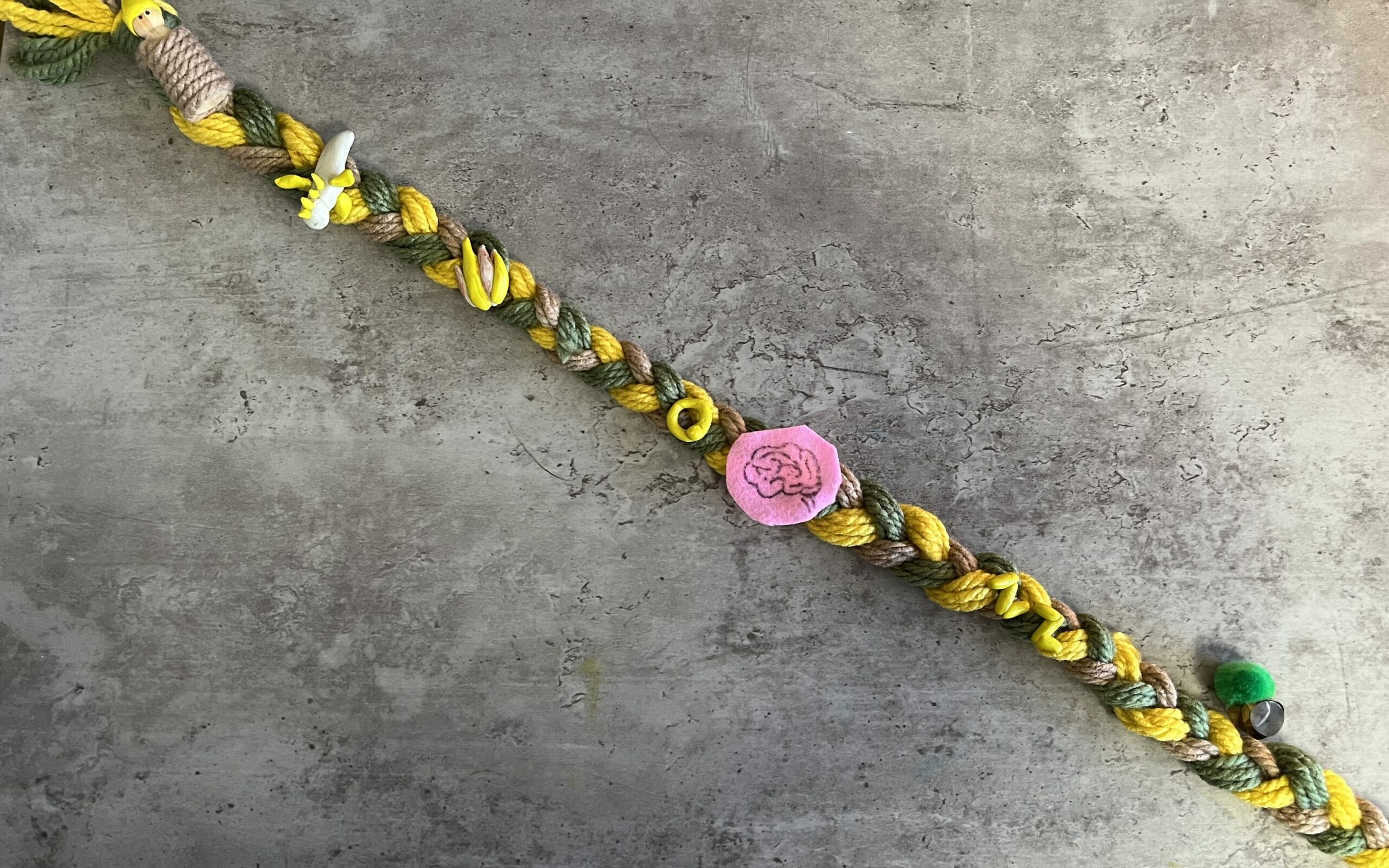
For my story vine retelling of The Paper Bag Princess by Robert Munsch, I started with the Princess Elizabeth. At the beginning of the story she is with her betrothed, Prince Ronald, when a dragon appears. The dragon burns down her castle and steals Prince Ronald. Elizabeth then sets out to rescue Ronald; she knocks on the dragons door and must outsmart him to get to Ronald. Elizabeth tricks the dragon, he falls asleep and she is able to get to Ronald. He is unhappy with her appearance after she rescues him so she calls off their marriage.
Why Story Vines?
Creating a story vine is an engaging and creative process. Students are able to retell the story by choosing elements that stood out to them and representing them creatively in different ways. If the whole class is creating a story vine for the same book, students may choose different symbols to represent the key events from the story and help students make new connections between events and symbols.
Process:
- From “Sometimes Reading is Hard” by Robin Bright
Begin the process by modelling the activity for the class. Choose a story that has an easy to follow and sequential story line and create the base for the story vine by braiding your choice of yarn/wool like materials together. Then gather small artifacts that represent characters, objects or settings from the book and can be tied to the events of the story. Attach these items to the braid in the sequence that they appear in the story. Then read the book to the class and finally retell the story using your story vine. You can also allow students to pick up the vine and look closely at the details as well as try to retell using your vine.
Students select a book that meets a set of criteria you will share with them, importantly the story they choose should be easy to follow and have sequential plot points. Then students will choose their yarn and make their own braids – depending on age group they can do this with partners, alone or with a “big buddy” group. Similarly, students will select, find, and/or create the artifacts for their story vine. Then allow students to practice retelling their story with their story vine in small groups or partners. Once they’ve practiced they can present/share with the class. I would do a gallery walk of the story vines and then let volunteers share with the whole class.
Class Resources From this Week
https://www.randomactsofkindness.org/
This website is all about Random Acts of Kindness, which would be useful for RAK week. It has lesson plans available to download, as well as other resources like posters for the classroom, ideas, colouring pages and other smaller activites.
https://www.commonsensemedia.org/
This site has appropriate media recommendations and advice for media literacy. It has links for parents as well as educators, that include lesson plans and other activities, apps, resources for the classroom.
https://www.smartlearning.ca/index.php
This site has planning guides and resources for teaching and assessment.
My Story Vine
ELA Curricular Concepts
https://curriculum.gov.bc.ca/curriculum/english-language-arts/3/core
- Sequencing events
- Symbols
- Choosing key events
- Understanding of character, setting, events
- Develop oral language skills
Cross-Curricular?
https://stephaniegokarn.weebly.com/story-vine.html
The website above talks about story vines, how to create them and introduce them to the classroom, as well as some of the curricular elements they address. Their purpose is to strengthen reading, writing, listening, speaking, representing and viewing.
What I liked from this site was the idea of using a story vine in science. Students would use them to teach a science “how-to” lesson and use symbols to represent each step. Some of the examples included: how to build a rocket or snowman.
After reading this I thought it would be interesting to try incorporating story vines in social studies by having students use them to tell a current event news story or a (summary of a) historic event. Students could use symbols the same way they do for a book retelling. I think this would help students to see whole concepts and bigger picture ideas involved in social studies. I find it helps me to make “stories” of historic events because it helps to synthesize the information and connect different aspects into a cohesive picture.