Springboard
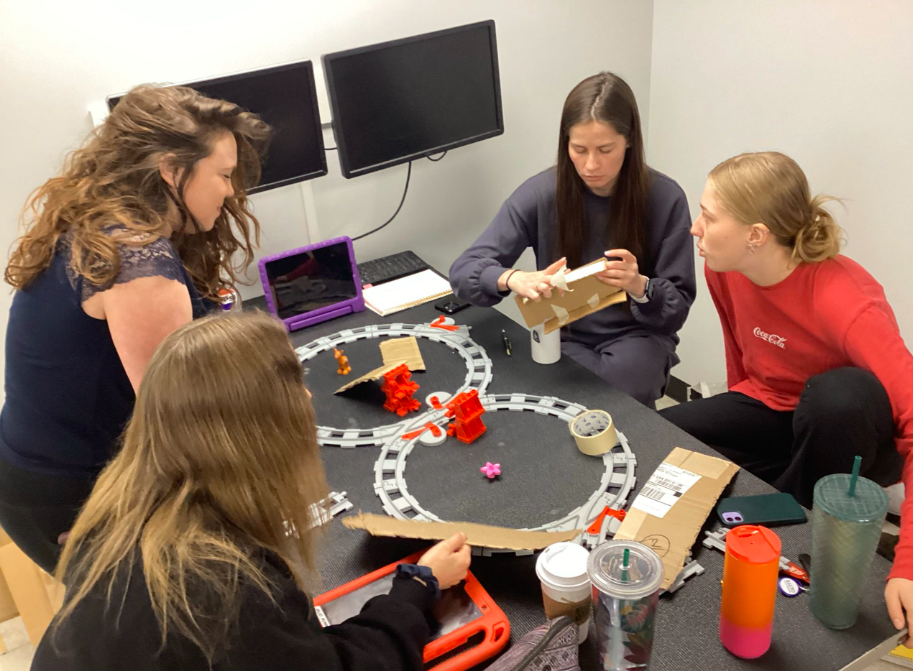
For this activity we used Bear 71 as our springboard activity before the maker challenge. I really enjoyed this maker challenge and the setup using a higher tech “hook” because it followed through the whole challenge and lesson. Because it is so interactive it really makes the challenge more engaging and I felt more motivated and involved with the problem. I would love to use this set up in the future with students.
When I think about the maker design process, this challenge really highlights the empathy piece and how important it is to making. And how it can make assignments more student-centred, if the problem is something they are passionate about it will be more meaningful to them and you will get more buy in and engagement.
From this Video: https://www.youtube.com/watch?si=iCkl9Ol2g3VXupWD&v=_r0VX-aU_T8&feature=youtu.be
Learning involves recognizing the consequences of one‘s actions.
aha
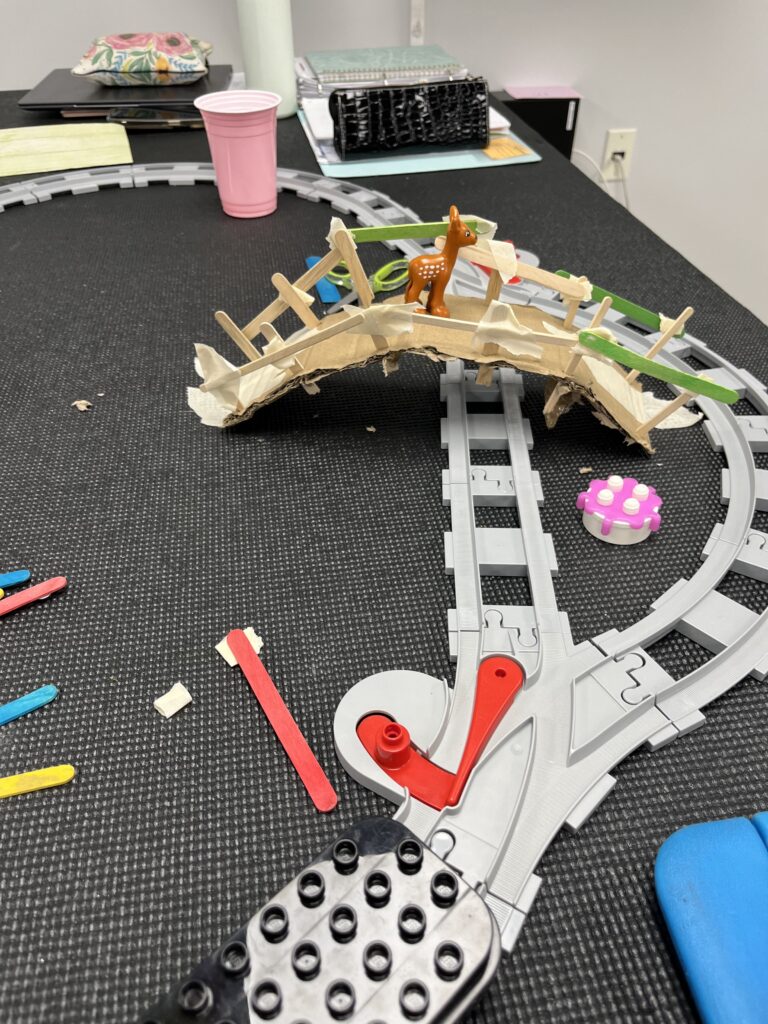
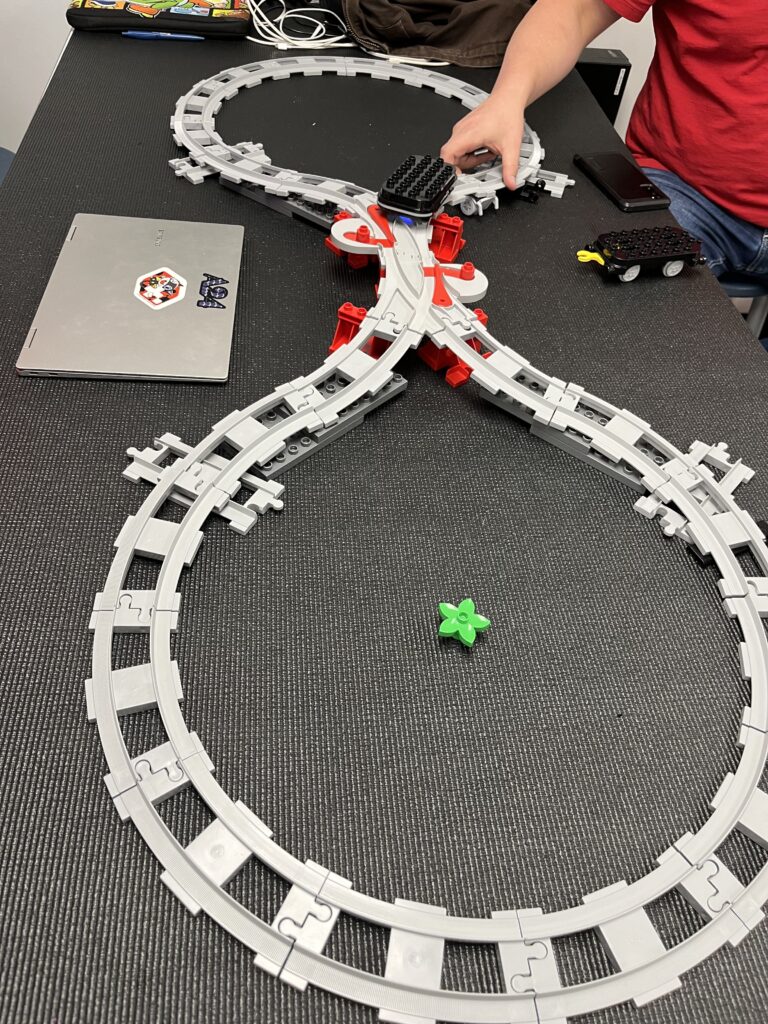
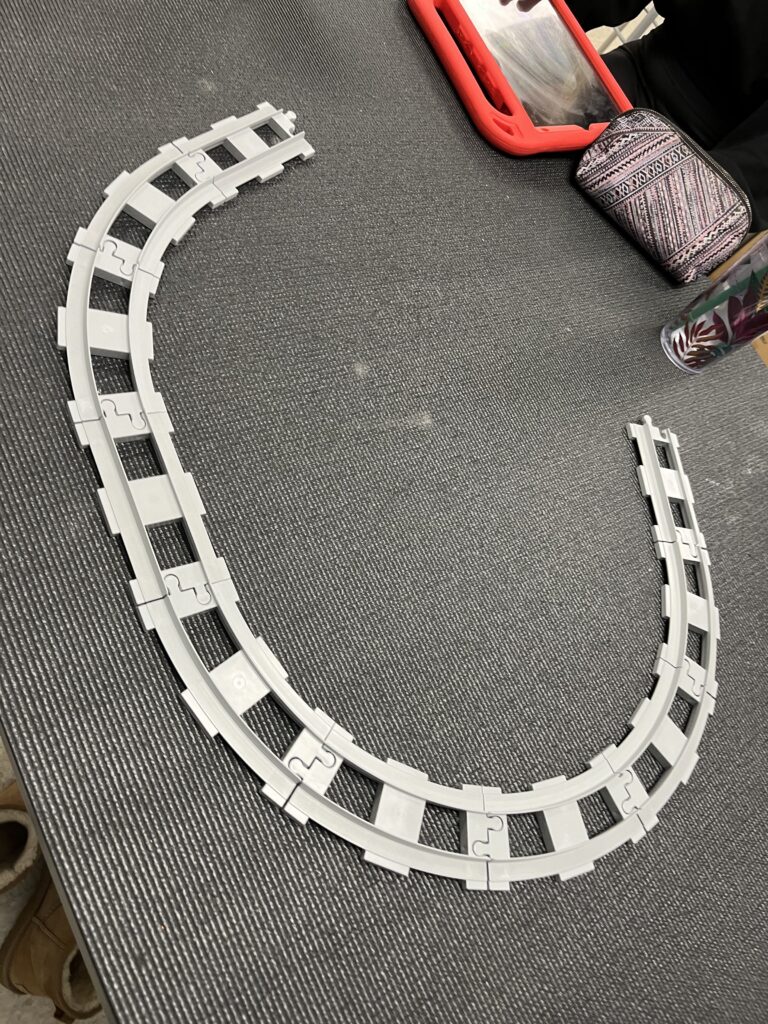
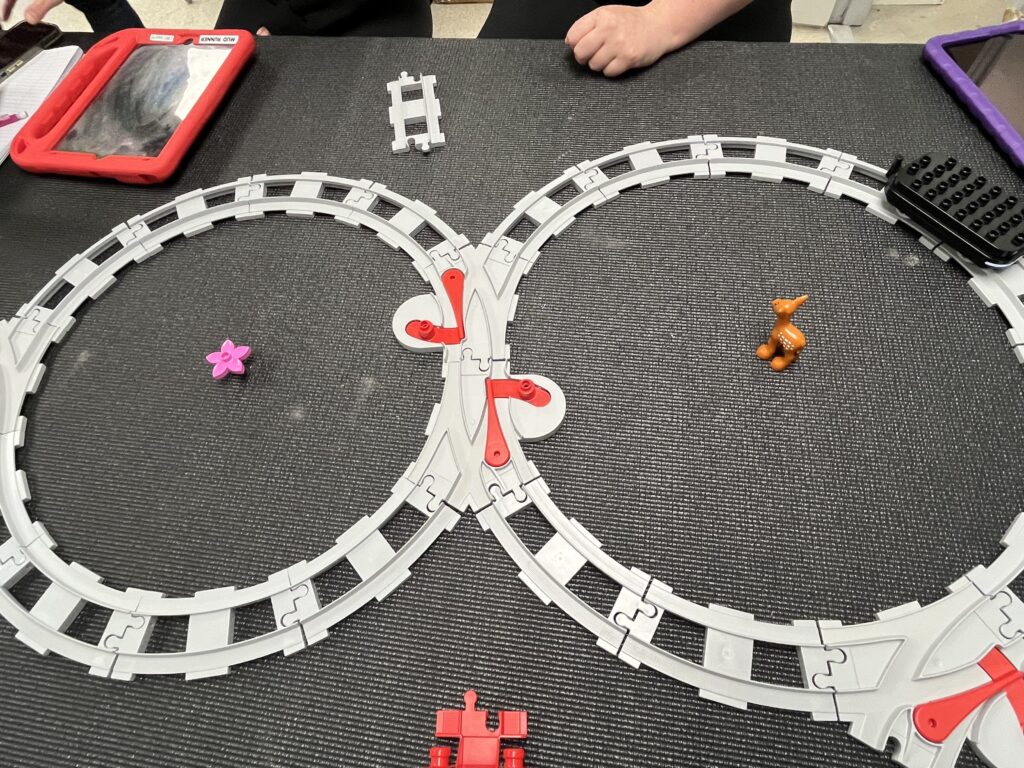
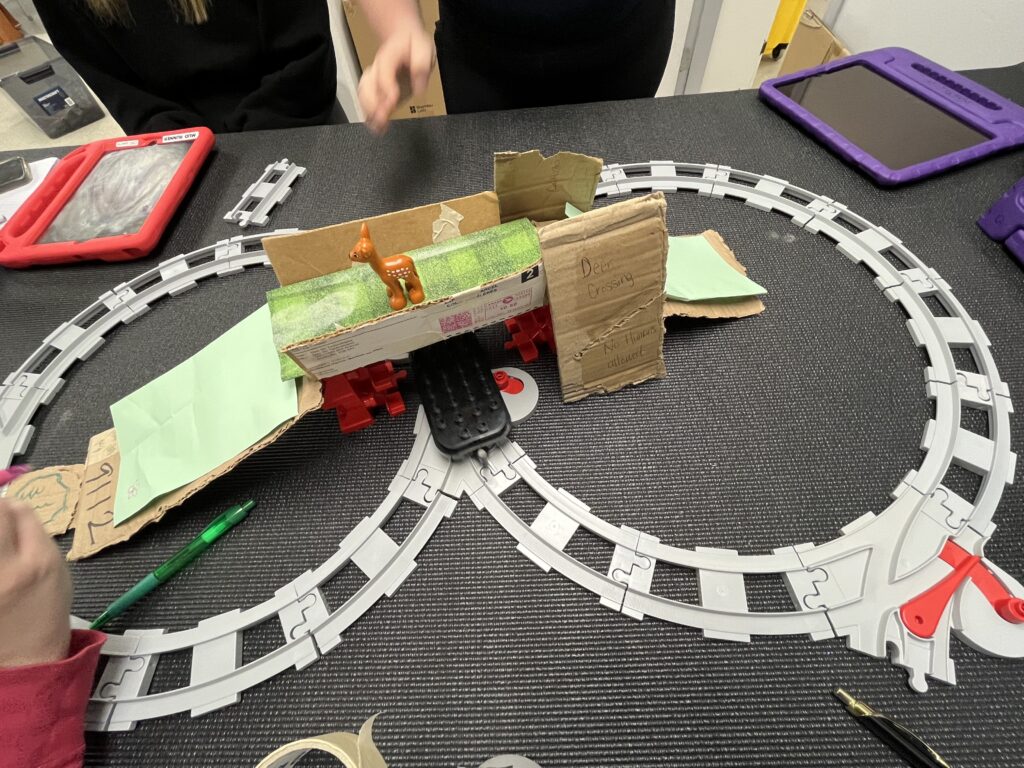
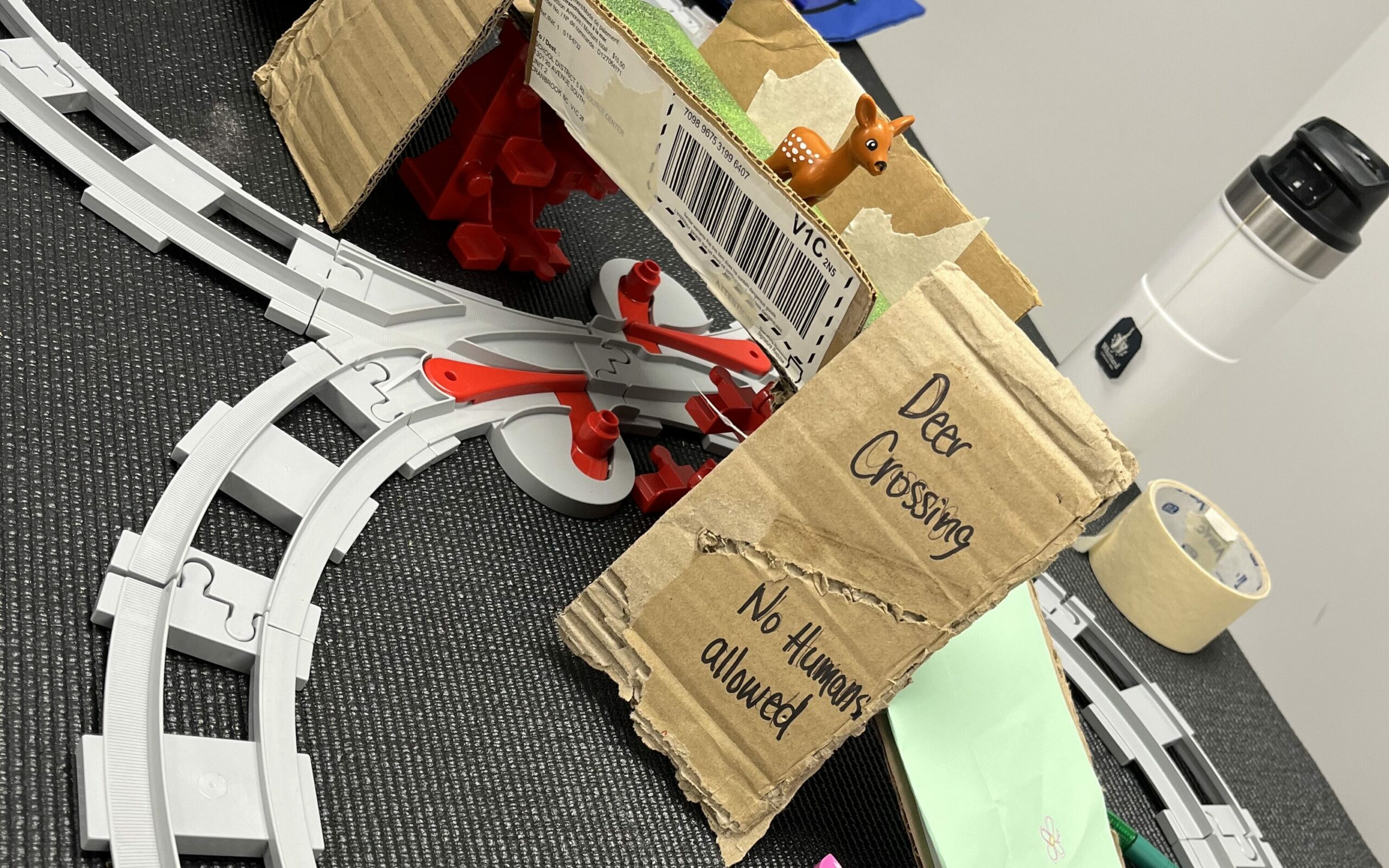
I really liked that this activity had almost a story to it in that we built the tracks and then had a deer and got to see how it separated the deer from it’s food source. We got to see the fractured habitat as a direct result from human infrastructure.
Real WorldProblem Solving
I also liked that we didn’t know where this was going at the start. We watched Bear 71 then we moved on to the tracks and it was never like “here’s why you’re doing this” which really worked for this challenge. Plus each component was fun, but I think it also just shows how sometimes humans do things without thinking. We built the tracks just focused on making them work and then realized the impact.
readings
I reference this quote from Kye later as well, but it applies so well to the problem solving aspect of making and how it motivates students. “Three forms of engagement sustained youth engagement in a makerspace: critical engagement with issues that framed their lives, connected engagement with peers and mentors, and collective engagement around community experiences and struggles rather than individual interests” (Kye, 2020, 4).
Learning is embedded in memory, history, and story.
Sharing
I have grown to really love sharing because sometimes when we’re working within the confines of the challenge I have the mindset that there is only one way to solve the problem. But then we go to see other groups’ work and discover they’ve all done every step completely differently.